New vape devices in 2026: what is worth your attention
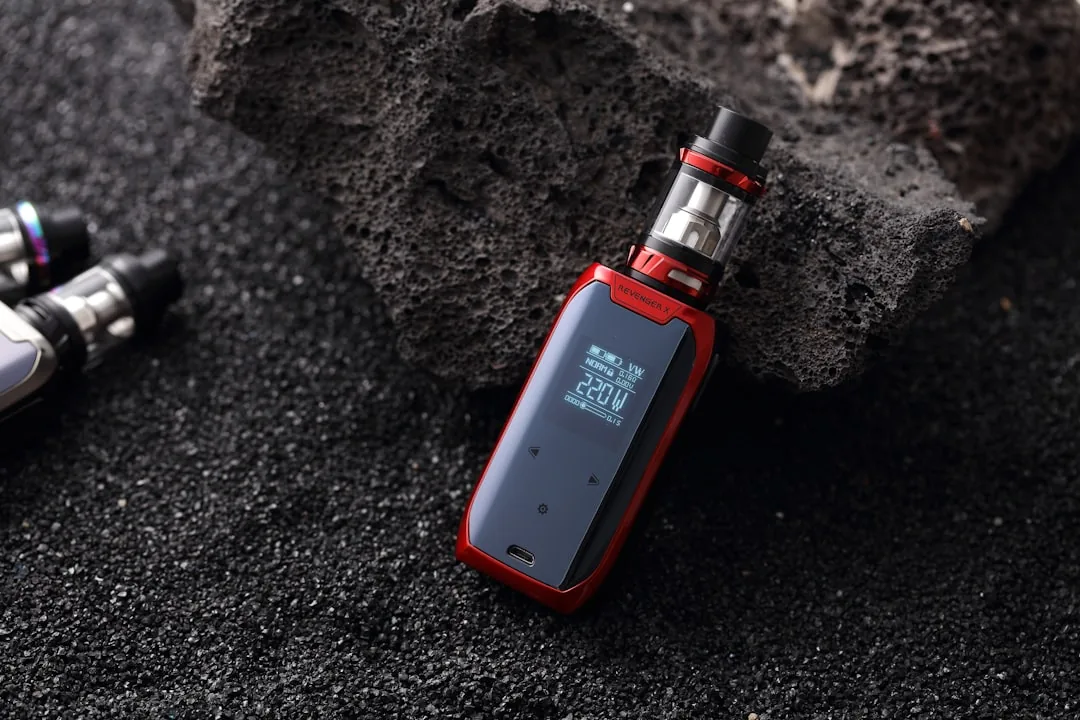
Open the new arrivals page of any large British retailer and the same impression forms within seconds: a wall of black rectangles with numbers after their names. The new vape devices of 2026 are genuinely better than those of three years ago, but the improvement is spread across details that no listing photograph shows. Here is where it actually sits.
What the new vape devices of 2026 have in common
The refillable pod is now the centre of gravity of the market, and almost every launch of the year is a variation on it. Vaporesso, OXVA, Voopoo, Aspire and Innokin all iterated within existing families rather than starting from scratch, which is why the naming has become a numbered sequence.
Underneath the numbering there are four recurring changes: coil platforms that stay compatible across a generation, airflow that can be adjusted rather than merely opened, USB-C charging at a higher rate, and battery capacity that has crept up without the body growing.
That is a modest list, and saying so is the point. A category that improves incrementally is a category that has found its shape, and it changes how you should read a launch announcement.
Coil platforms matter more than the device
The single most useful thing to look at on a 2026 kit is not the device, it is the coil family it takes. A coil platform such as Voopoo’s PnP range or the equivalents used by other brands determines what you can put in the device for the next few years.
A kit built on a platform already stocked widely across British retailers means replacement coils on the shelf whenever you need them. A kit built on a coil unique to one model means a supply question the first time the range is discontinued, and that question has ended more devices than any technical fault.
Coil availability also decides whether a device stays lawful to sell in practice. Under the reusability rules, replacement coils and refills have to be separately available, which is covered in our read of the UK vaping laws.
So when a listing tells you a kit is compatible with an established coil series, that line is doing more work than the wattage figure printed above it.
Airflow control on new vape devices has become standard
The second real change across new vape devices this year is airflow. Adjustable airflow used to mean a ring with two positions on entry level hardware. On 2026 pods it usually means a continuous slider with meaningful travel between a tight draw and a loose one.
That matters because the draw style is the thing most likely to make a device suit you or not. A restricted draw suits higher strength salt liquids in a small device, a looser draw suits lower strength liquids and produces more vapour and more consumption.
Being able to move between the two on a single device is what makes a modern pod flexible enough to be a first purchase without becoming a mistake three weeks later. How to actually use that control is set out in our guide to vape settings.
Where airflow is fixed, and some pods still are, treat the listing’s description of the draw as a hard specification rather than a preference you can tune away.
Battery and charging: incremental, but real
Capacity has grown within the same footprint, helped by better power management rather than by dramatically larger cells. The practical effect for an adult vaper is fewer mid-day charges rather than a transformed device.
USB-C is now effectively universal on new hardware, and charge rates on pods have risen enough that a short top-up returns a usable device. A few models publish pass-through use, which is convenient but keeps the cell warm while it works.
The habit worth keeping is unglamorous. Use the cable and adapter appropriate to the device, avoid running a battery flat repeatedly, and treat a device that becomes hot in normal charging as a device to stop using rather than one to monitor.
On kits that use removable cells, the same caution goes considerably further, and that subject is handled properly in our coverage of dual cell hardware in the tests and hardware section.
Box mods are still being launched, for a narrower audience
Amid the pods, mods have not gone away. What has changed is who they are for. A 2026 mod launch is aimed at someone who already knows what wattage range their coil wants and who intends to swap atomisers over the life of the device.
Colour screens, temperature control and saved profiles have drifted into mid-range hardware, and the chipsets are more responsive than they were. None of that helps a first-time buyer, and most retailers have stopped pretending otherwise in their recommendations.
The genuine argument for a mod in 2026 is repairability and longevity. A device with replaceable cells and a 510 connection can outlive several tanks, where a sealed pod ends when its battery does.
Reading a launch listing without being sold to
Three questions strip most of the marketing out of a listing for new vape devices. Which coil platform does it take, and is that platform stocked beyond this one model. Can the airflow be adjusted across a useful range. And is the battery replaceable or sealed.
Two further checks are worth thirty seconds. Confirm the tank or pod capacity matches what is lawful here, since British versions of international products are produced to the 2 ml limit. And confirm replacement pods are listed as available, not merely promised.
Everything else on the page, including screen animations, colourways and headline power figures, is differentiation rather than function. A device that answers the first three questions well will serve you longer than one that photographs better.
Common questions about new vape devices
Do I need to replace my device when a new model appears?
No. A working pod or mod with an available coil supply has no functional reason to be replaced. Coil availability, not the release calendar, is the signal that matters.
Are newer devices more reliable?
Not automatically. Reliability tracks the maturity of the platform and the brand’s track record more closely than it tracks the release date.
Does fast charging damage the battery?
Modern devices manage their own charging. Use the supplied or an appropriate cable and adapter, avoid repeated full discharges, and stop using any device that becomes hot while charging.
Pod or mod among this year’s launches?
A pod suits most adults, including anyone who does not want to think about settings. A mod suits someone who wants to control power and change atomisers.
Why do British tanks hold less than the ones I see reviewed abroad?
Because tank capacity is capped at 2 ml here. Manufacturers produce a compliant version of the same product for this market.
What to take away from this year’s hardware
The useful summary of new vape devices in 2026 is that the important progress happened below the marketing line. Coil platforms consolidated, airflow control became genuinely usable, and charging stopped being a differentiator because everyone solved it.
That makes buying easier, not harder. When the differences between models are small, the risk of choosing wrongly falls, and the decision moves to supply questions you can check in a minute on a retailer’s site.
Judge the new vape devices you are shown by the coils they take and the draw they allow, not by the number at the end of the name. On current evidence that will still be the right test when the 2027 listings appear.
Editorial content for adult readers only. Vaping products usually contain nicotine, a substance that causes addiction. Not for sale to under-18s in the United Kingdom. This article is not a buying recommendation.
Further reading
 New releases
 Geekvape Wenax Q2, what to know about this 30W pod kit
Geekvape Wenax Q2 explained. 1250mAh, 30W, 2 ml Q pods in the UK and one button, plus how it differs from the Wenax Q and the Wenax Q Pro.
 Tests and hardware
 Vaporesso iTank tanks compared, which model to pick
Vaporesso iTank, iTank 2, iTank T or iTank M? Airflow, GTi coils, draw style and the 2 ml UK edition compared, to pick the right iTank tank.
 Tests and hardware
 Geekvape Zeus tanks, the Z range decoded model by model
Geekvape Zeus, now the Z range, decoded. Z Sub-ohm, SE, Max, Nano 3 and ZX II RTA, which coils fit each tank and the UK 2 ml limit.